- Founded in 2015French non-profit (1901 law)
- RNA W781004639France — register of associations
- SIREN 813 791 068France — national identifier
- 1023/MATDDT-SG-DLPAP-DOCATogo — registration receipt
- 66% tax-deductibleFrench income tax
Founded in 2015French non-profit (1901 law)
66% tax-deductibleFrench income tax
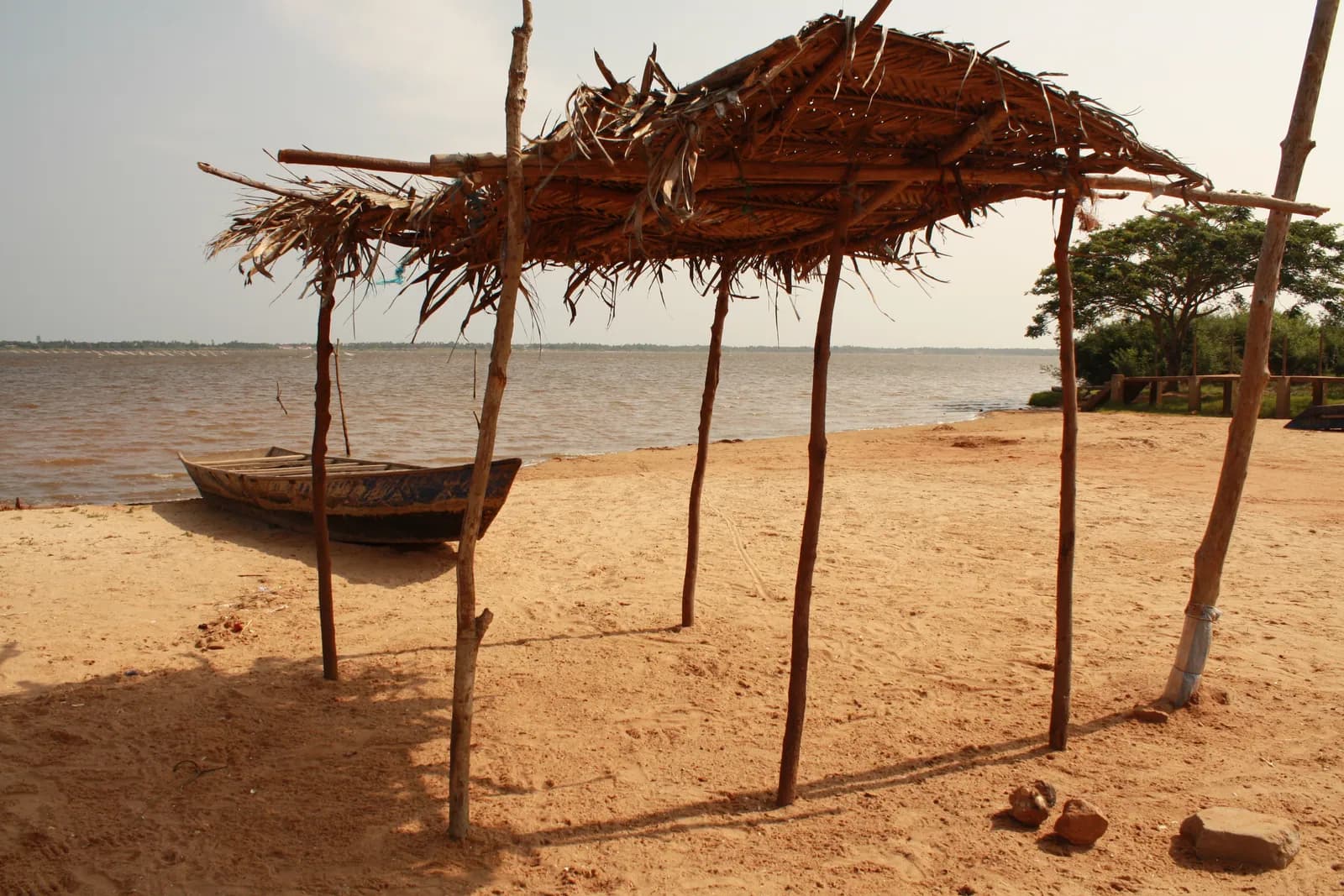
Togo, a small country with a thousand faces
From the lagoon of Lomé to the hills of Kpalimé and the tower-houses of Koutammakou: a young, welcoming country where Midezon has worked since 2015.
8.1 million
inhabitants (2022 census)
56,785 km²
about the size of Croatia
0.571
HDI, 161st of 193 (UNDP 2025)
+2.3%/yr
population growth (2010–2022)
Togo in brief
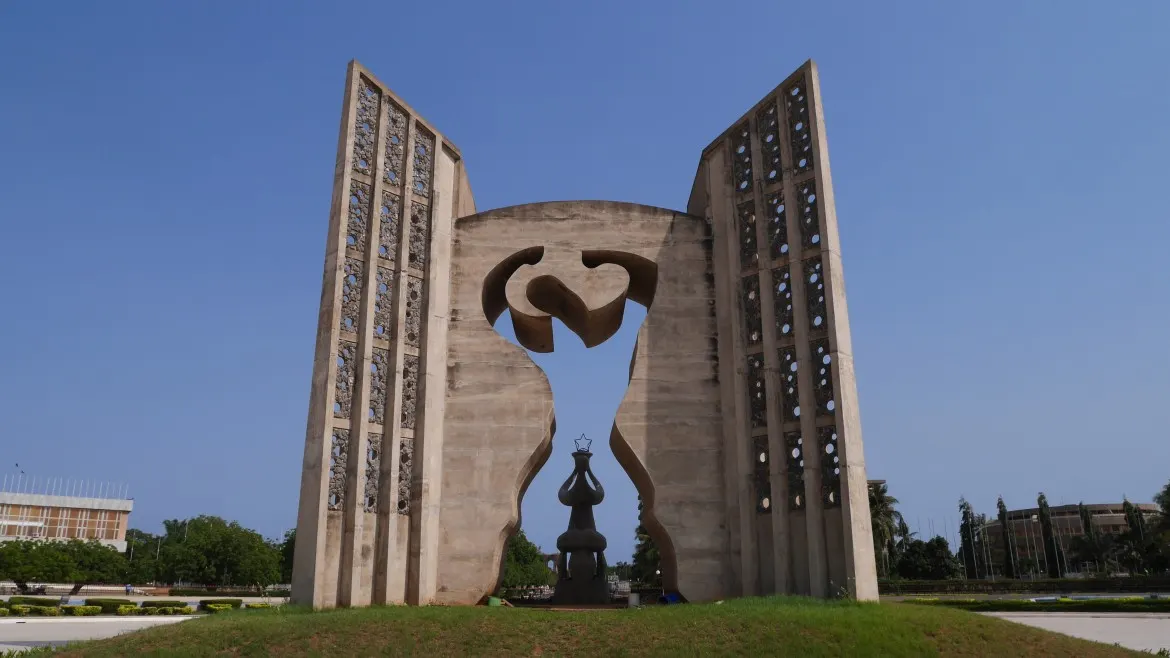
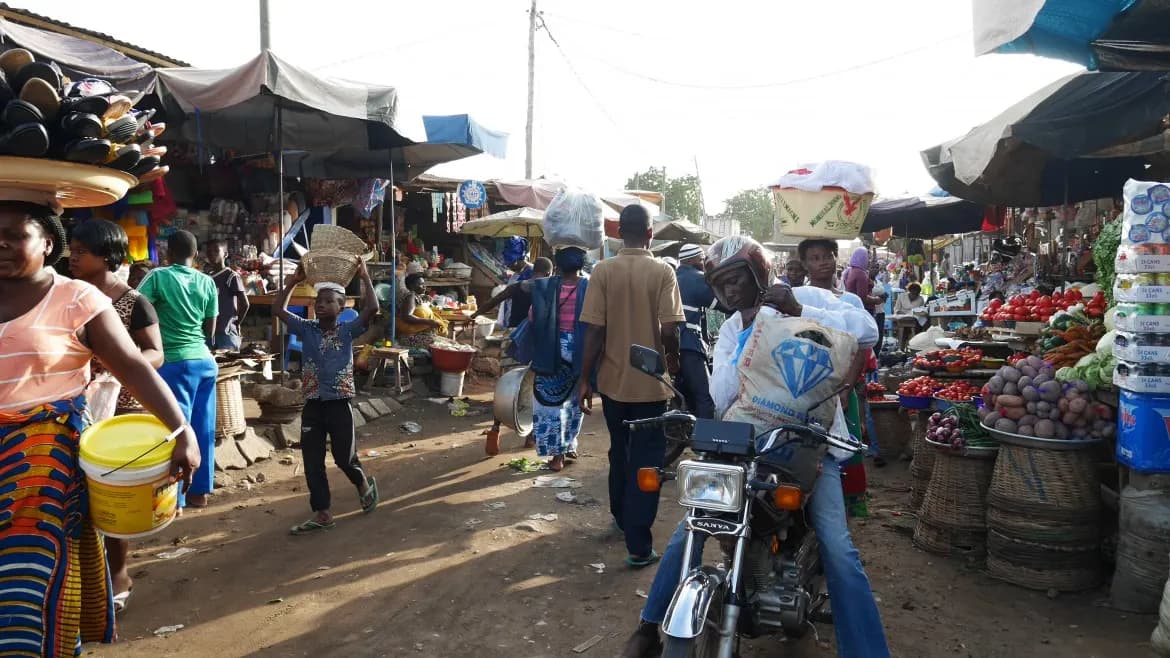
| Topic | Facts |
|---|---|
| Capital | Lomé, on the coast, on the border with Ghana |
| Population | 8,095,498 at the 5th census (RGPH-5, 2022); 43% urban; +2.3% a year |
| Area | 56,785 km²; nearly 600 km from north to south, 56 km of coastline |
| Languages | French (official); Ewe and Kabiye (national languages); around forty languages in all |
| Currency | CFA franc (XOF): €1 = 655.957 XOF, fixed rate |
| Independence | 27 April 1960 (national day) |
| Time | GMT all year: same as London in winter, 1 h behind in summer |
| Dialling code | +228 |
| Development | HDI 0.571: 161st of 193 countries (Human Development Report 2025, UNDP) |
The 5 regions, from south to north
Togo stretches from the Gulf of Guinea to the Sahel. Each region has its capital, its landscapes and its festivals.
| Region | Capital | Highlights |
|---|---|---|
| Maritime | Tsévié | Lomé and its Grand Marché, Lake Togo and Togoville, Aného, the beaches |
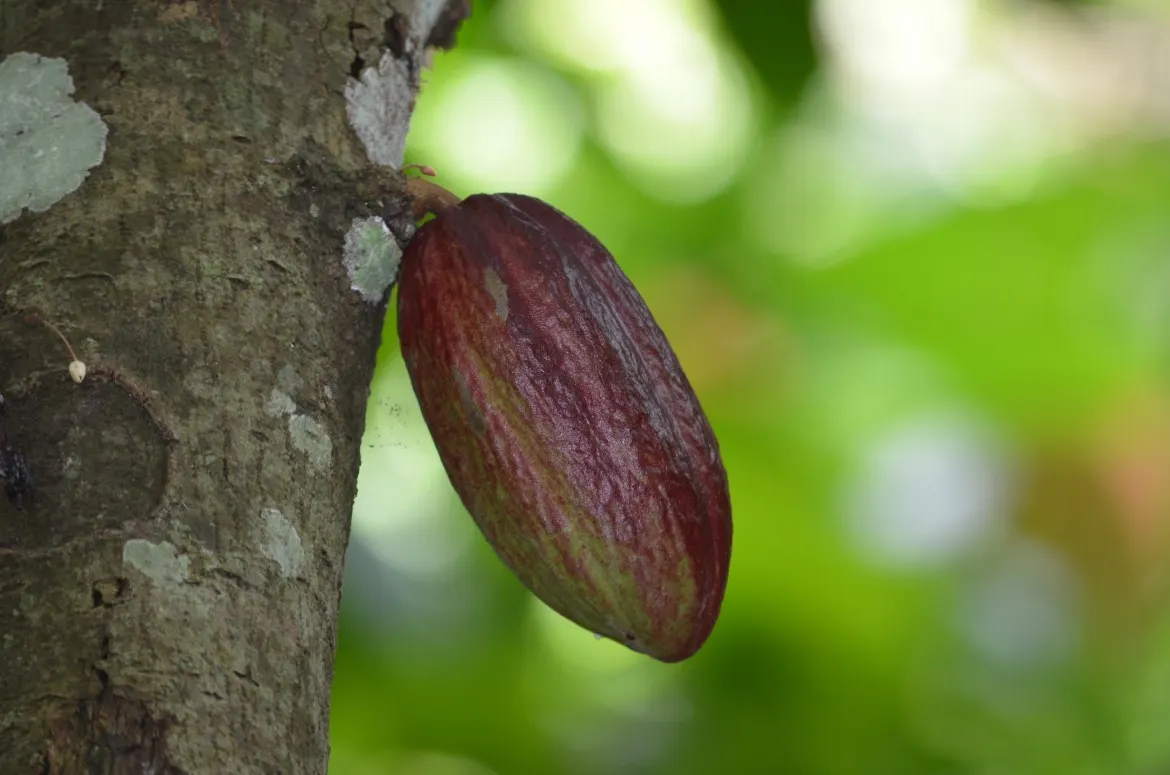
| Plateaux | Atakpamé | Kpalimé, the Womé and Kpimé waterfalls, Mount Agou (986 m, highest point), coffee and cocoa |
| Centrale | Sokodé | Fazao-Malfakassa National Park, the knife festival (Adossa) |
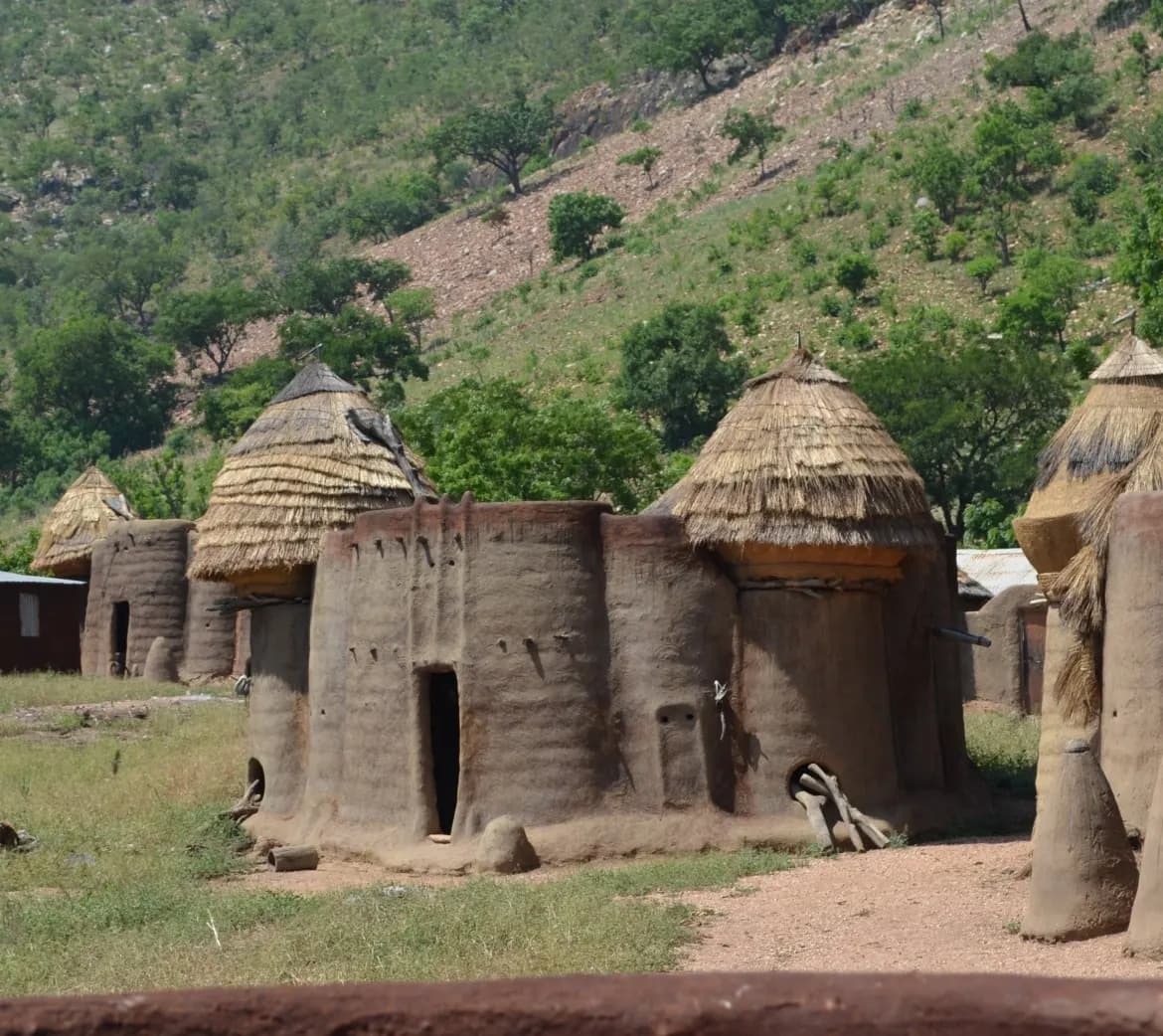
| Kara | Kara | Koutammakou, land of the Batammariba (UNESCO World Heritage), Evala wrestling |
| Savanes | Dapaong | Sahelian landscapes; currently advised against for travellers |
Greater Lomé also forms an autonomous district.
Festivals and traditions
Traditions set the rhythm of the year. If your stay falls at the right time, ask the team: these are unforgettable moments.
Evala (July, Kara)
Traditional wrestling of young Kabye men, a rite of passage into adulthood.
Adossa, the knife festival (Sokodé)
Spectacular Tem dances, held during the Mawlid celebrations.
Epe-Ekpe (September, Glidji)
The Guin New Year near Aného: the colour of the sacred stone foretells the year ahead.
Agbogbozã (September, Notsé)
The Ewe celebrate their exodus from Notsé and the wall of King Agokoli.
27 April, Independence Day
Parades and flags across the country.
Vodun
A traditional religion very much alive in the south (Akodessewa fetish market in Lomé): discover it with a guide, and with respect.
Climate: when to go?
It is hot all year round (25–32 °C), so you can go in any season. What changes is the rain.
| Period | In the south (Lomé, Sanguera) |
|---|---|
| November – March | Long dry season; harmattan (dry, dusty wind) from December to February |
| April – July | Long rainy season: heavy but often short showers |
| August | Short dry season: the coolest period, ideal for summer volunteers |
| September – October | Short rainy season |
In the north: a single rainy season, from May to October, and fiercer heat (up to 40 °C in March–April).
A few words of Ewe
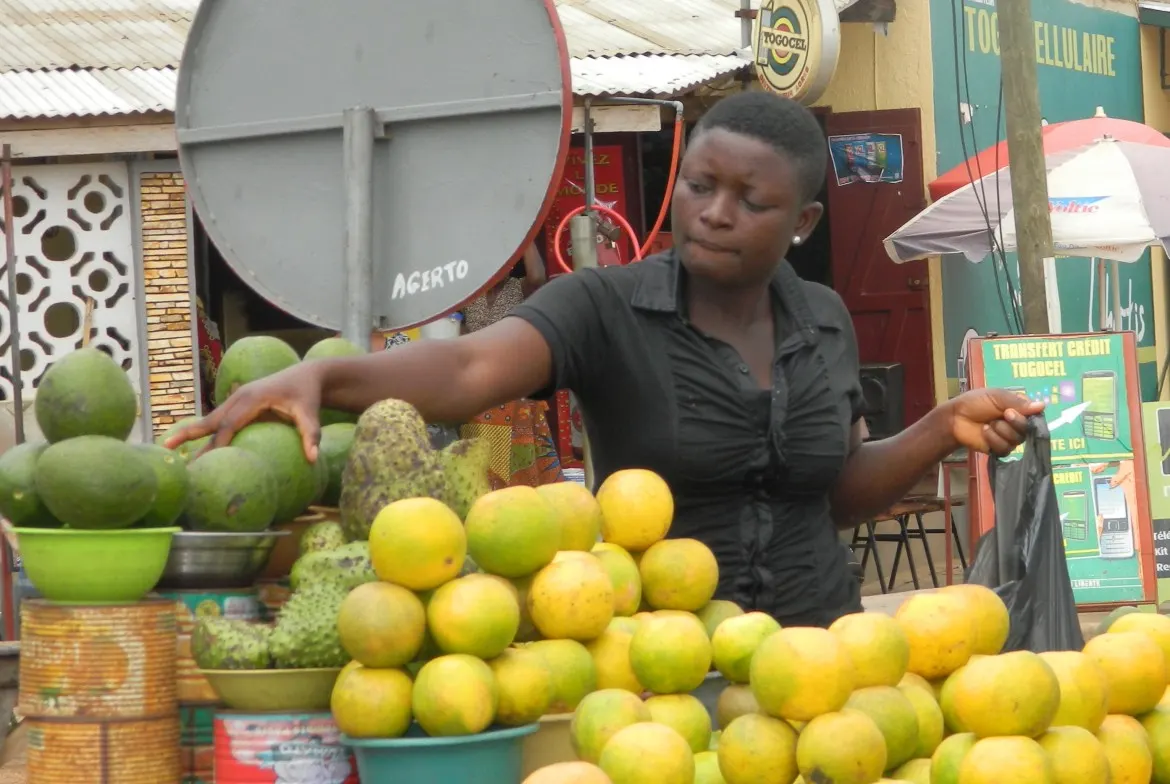
Ewe is the most widely spoken language in the south. Three words are enough to make a whole market smile.
| Ewe | English |
|---|---|
| Woezɔ | Welcome |
| Ŋdi | Good morning |
| Ŋdɔ | Good afternoon |
| Fiẽ | Good evening |
| Akpé | Thank you |
| Akpé kaka | Thank you very much |
| Yoo | OK |
| Yovo | Foreigner: children sing it when they see you, it is affectionate |
Safety: what you need to know
- Our missions take place in the south (Sanguera, Lomé), with airport pickup and a local team.
- Several governments advise against travel to the far north (Savanes region, near the Burkina Faso border): do not go there.
- Common sense: no valuables on show, avoid walking alone at night, wear a helmet on motorbike taxis.
- Before leaving: read your government’s travel advice.
Midezon in Togo
Since 2015, the association has welcomed volunteers and interns in Sanguera, on the outskirts of Lomé: health, education, environment, culture.
Frequently asked questions about Togo
What language is spoken in Togo?
French is the official language. In the south people mostly speak Ewe and Mina; in the north, Kabiye. Around forty languages are spoken in total.
What is the population of Togo?
8,095,498 inhabitants at the last census (RGPH-5, 2022), 43% of them in towns. The population grows by about 2.3% a year.
What currency is used in Togo?
The CFA franc (XOF), shared by eight West African countries and pegged to the euro: €1 = 655.957 XOF.
When is the best time to go to Togo?
All year round. In the south, August (short dry season) is the coolest period; November to March is the long dry season.
What is the time difference with the UK?
Togo is on GMT all year: the same time as London in winter, one hour behind in summer.
Is Togo a safe country?
Our missions take place in the south, with airport pickup and a local team. Several governments advise against the far north (Savanes region, near Burkina Faso). Check your government’s travel advice before leaving.
Togo is waiting for you
Mission, internship or ethical tourism: experience the country from the inside, with a team that lives there.