
Humanitarian volunteering in Togo — useful, supervised, honest
Since 2015, Midezon-Togo has welcomed volunteers in Sanguera, on the edge of Lomé: in schools, alongside health workers, on building projects. You strengthen Togolese teams rather than replace them — and you know exactly what your contribution covers.
✓ First conversation by video call, no commitment
From 2 weeks
up to several months
See the grid
contribution to costs, board and lodging, registration included
None
of our missions take place in orphanages or children’s institutions
2015
year the association was founded
On the ground, in pictures
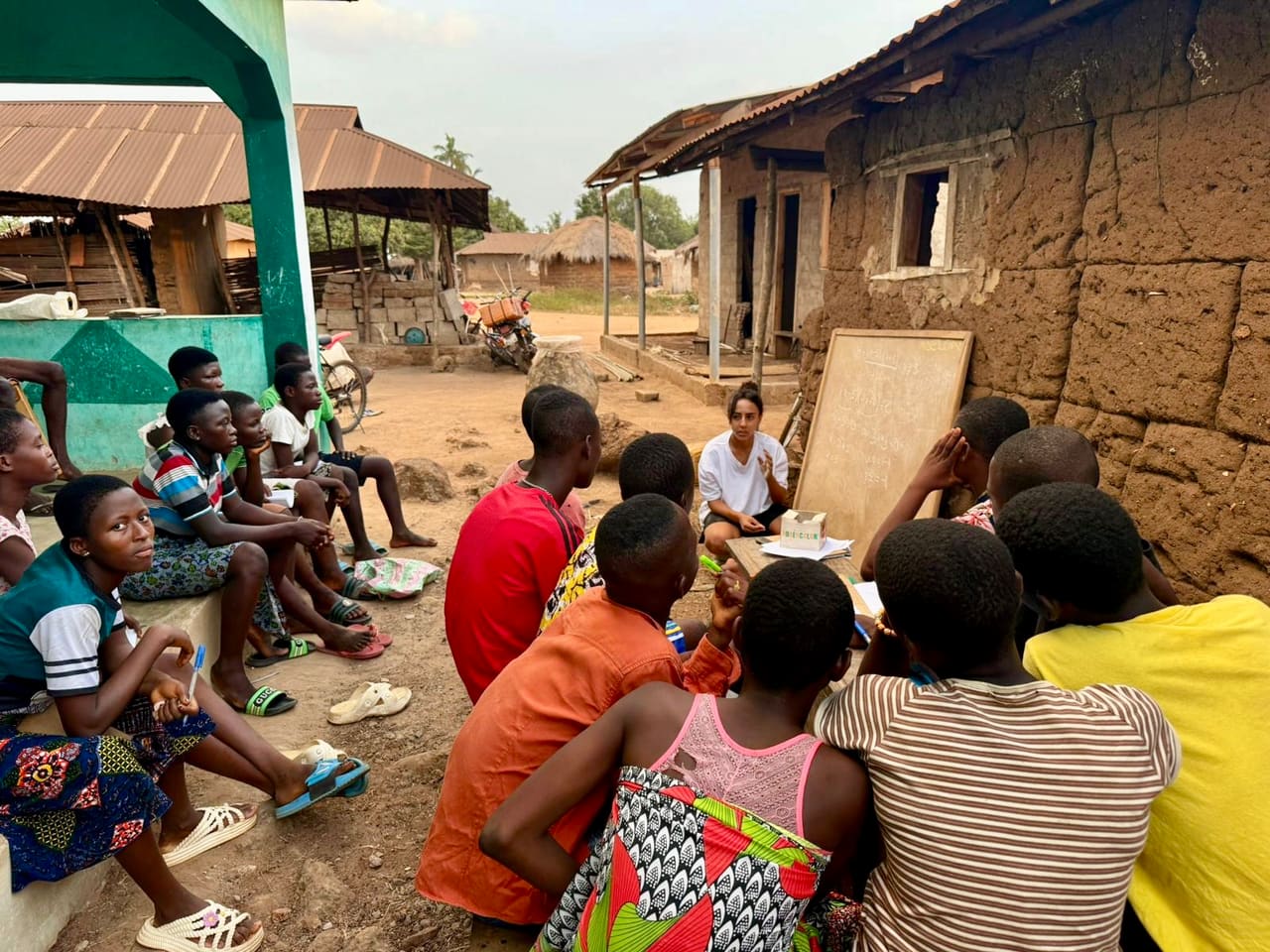
Bégbé, Togo · February 2026 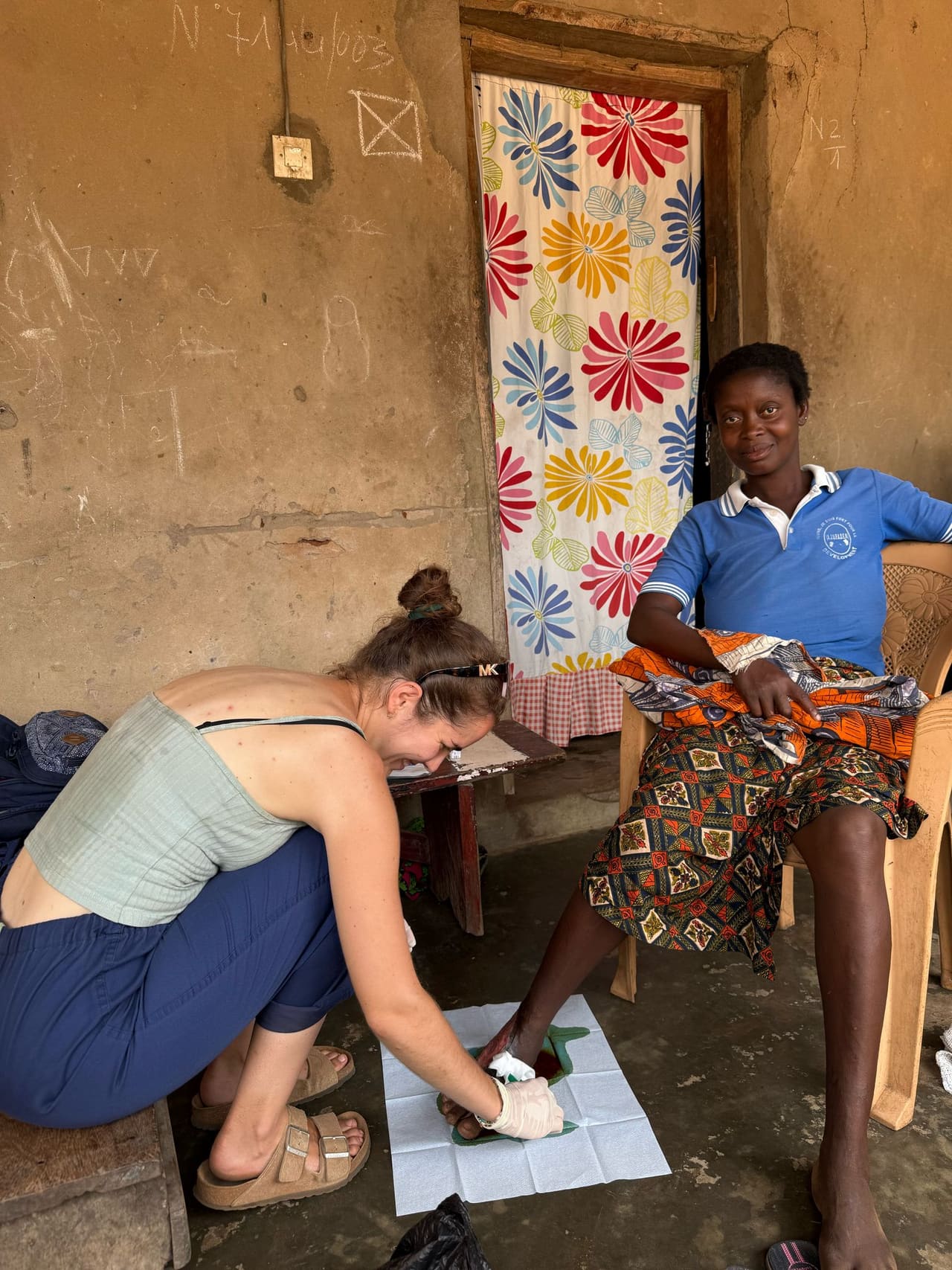
Bégbé, Togo · February 2025 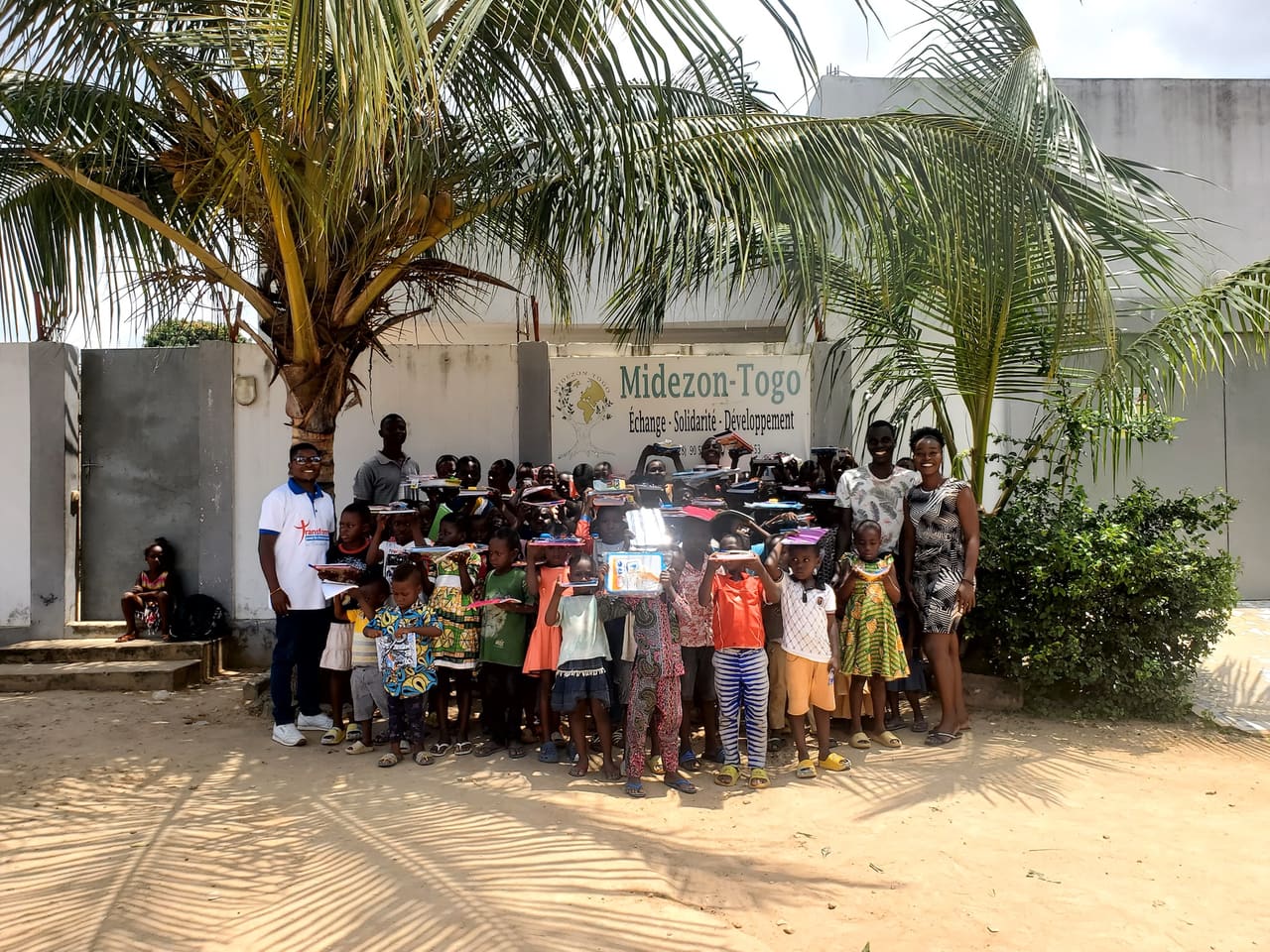
Lomé, Togo · September 2026 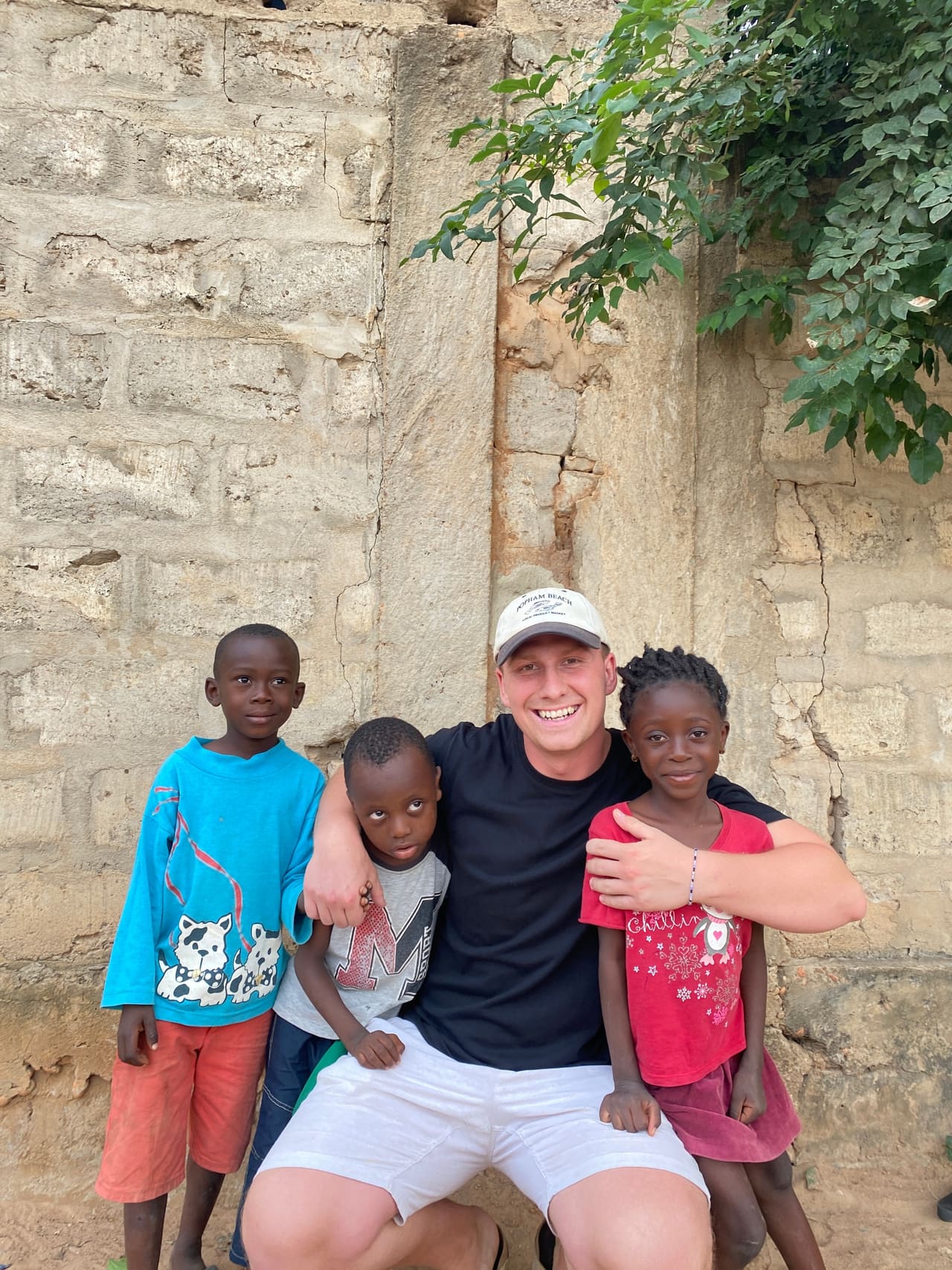
Lomé, Togo · February 2025 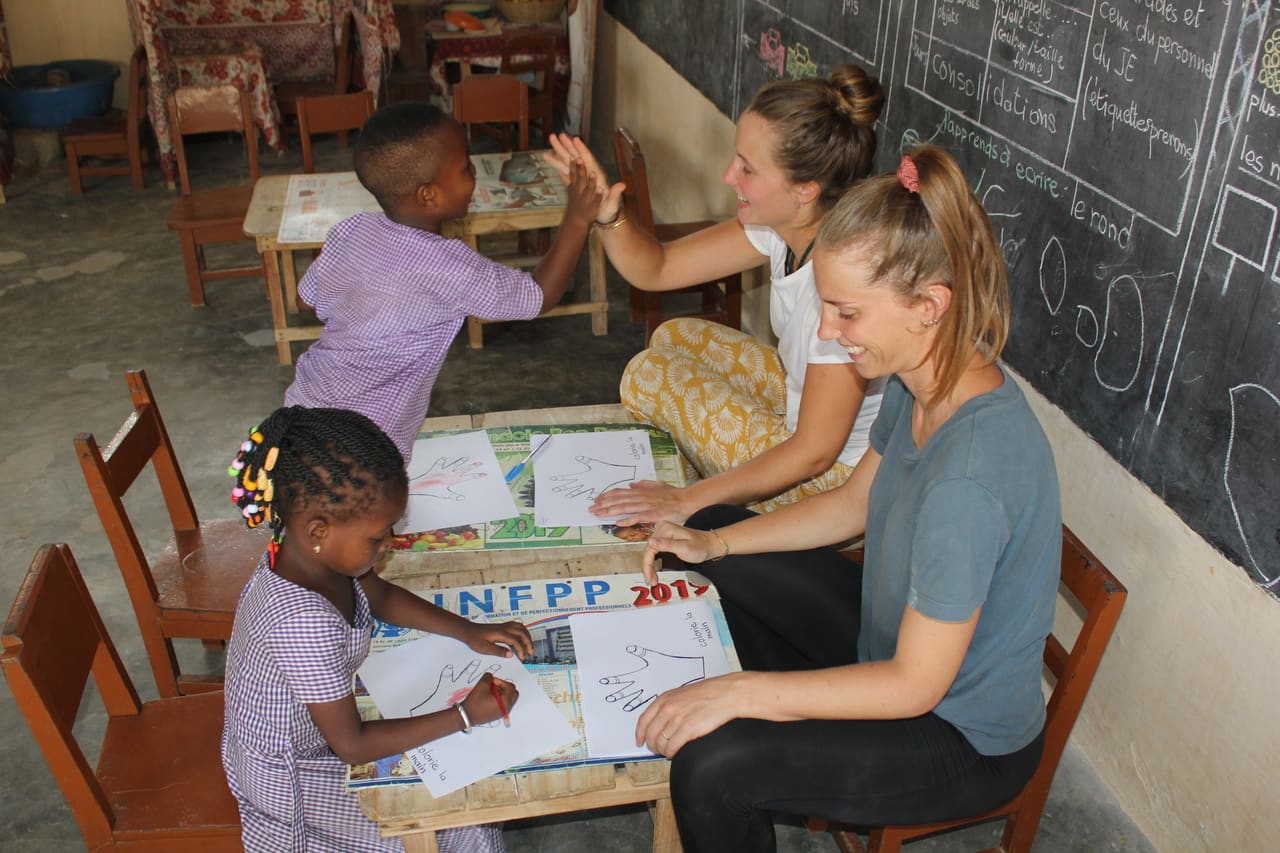
Lomé, Togo · June 2023 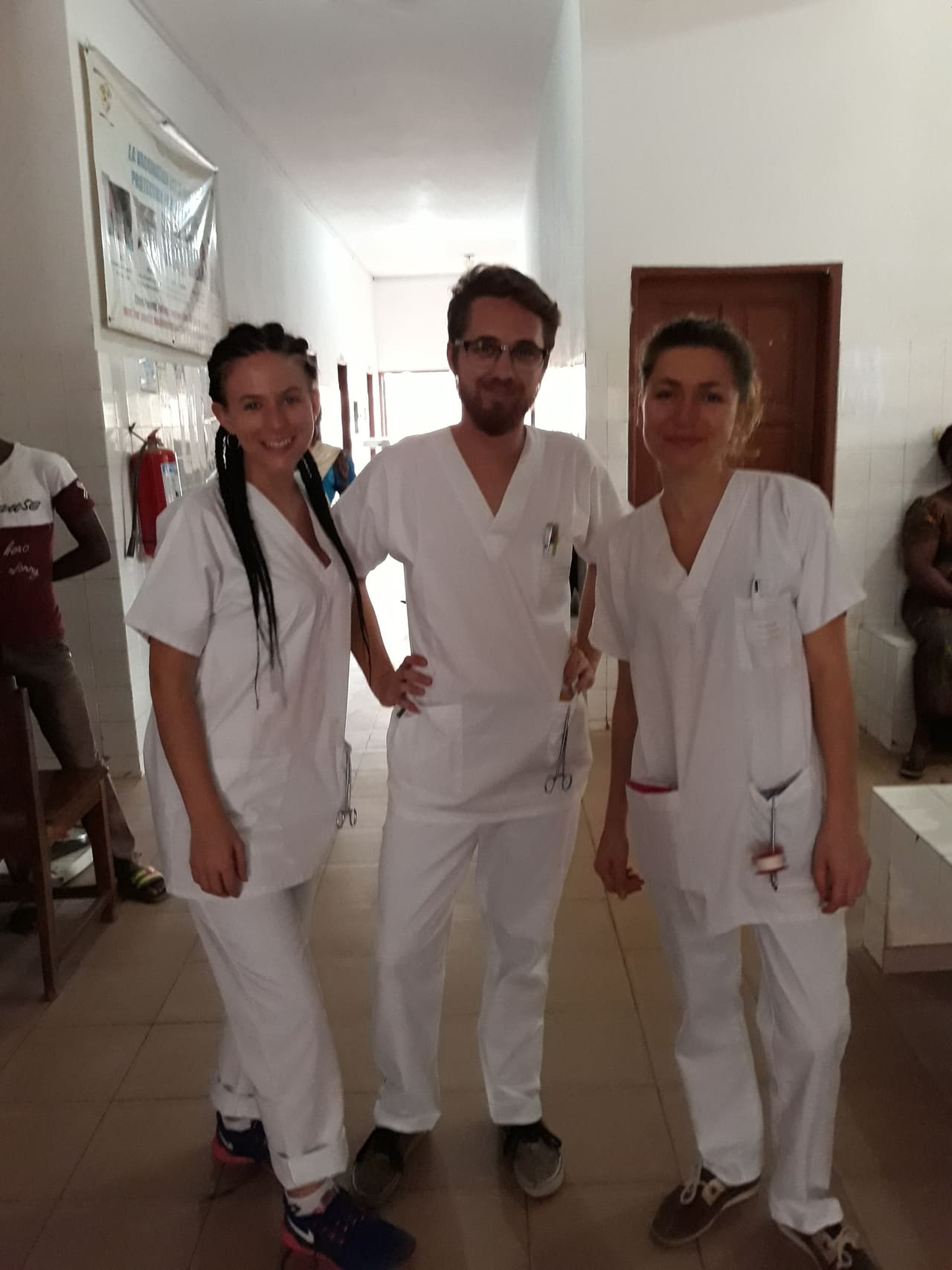
Lomé, Togo · July 2018


Ethical humanitarian volunteering: our four commitments
Volunteering abroad can do good — or harm. Here is what we rule out, and what we ask of you.
No orphanage placements
We no longer offer any placement in orphanages or in any institution caring for children: short volunteer stays there create attachments that are made and broken again and again.
A child protection code of conduct
Never alone with a child, no personal sharing of photos of children outside the association’s channels (the parents’ agreement is already collected by the association), no private contact. The child protection lead may ask for a criminal record certificate (or the equivalent document from the country of residence) for a long mission or a role alone with children.
A published contribution to costs, line by line
The contribution to costs depends on the project, the length of stay and the departure date; the grid is published on each project page. It covers your expenses before departure and on site: housing, meals, airport pick-up, supervision. Flights, visa, vaccines and insurance are paid by you — the budget simulator adds them up.
Support, not substitute
You assist Togolese teachers, health workers and craftspeople who know their ground, in an exchange where everyone learns from each other.
Which humanitarian mission in Togo?
Seven real missions, each with its own page: typical day, contribution to costs, dates and testimonials.
| Mission | Length | Contribution to costs |
|---|---|---|
| Teaching, skills, German | From 2 weeks | see the project’s grid |
| Healthcare internship | Length set by your school | see the project’s grid |
| Agroecology, public speaking & IT | 2 weeks | see the project’s grid |
| School renovation (Bégbé) | 3 weeks | see the project’s grid |
How a humanitarian mission with Midezon works
- 1
Choose your mission and dates
The registration form takes a few minutes: period, length, preferred mission.
- 2
A video call with the team
To answer your questions and shape the mission with you, with no commitment.
- 3
Checks before departure
You commit to the child protection code; the safeguarding contact may ask for a criminal record certificate for a long mission or a role alone with children. The travel guide walks you through visa, vaccines and budget.
- 4
Arrival in Togo
The team meets you at the airport, then you settle into the Midezon House with the other volunteers.
On site: daily life on a humanitarian mission in Sanguera
Most volunteers travel alone — they do not stay alone for long. Here is what awaits you at the Midezon House, with the other volunteers and the Togolese team.
Accommodation
Volunteer house in Sanguera: shared rooms for 2 to 4 people, with mattress, mosquito net and fan; water, electricity, showers and toilets. On a village work camp, you may sleep in a school.
Meals
Three meals a day cooked with local produce — fufu, corn paste, rice, fish, sauces — and bottled water. A vegetarian option is possible if you mention it when registering.
Team life
Cleaning, washing-up and cooking are shared between volunteers and Togolese members on a rota. On arrival, a short session comes before you sign the house charter.
Health
If you fall ill, a team member takes you to a health centre or hospital. Medical costs are yours to pay: health and repatriation insurance is essential.
The rest of the time
Internet comes through your SIM card (mobile data). Evenings bring games, music and debates; at weekends, optional excursions at your own expense, with local members.
Why you can trust us
Registered in France and in Togo
A French non-profit association of general interest (RNA W781004639, SIREN 813 791 068), with a declaration receipt in Togo: every number can be checked.
Published accounts and reports
Accounts approved by the board and presented at the general meeting; annual reports sent on request from our Transparency page.
On the ground since 2015
Community house and after-school tutoring in Lomé from 2016, foundations of the Bégbé school in 2017, move to Sanguera in 2022.
Stories, not slogans
The testimonials we publish come from volunteers who actually went, with their doubts as well as their discoveries.
They discovered the Togolese school system, were given real responsibilities in class, and found their place in after-school tutoring, with warm and joyful children.
Your contribution to costs, and what it covers
A simple, published contribution, so your energy goes into the mission, not into calculations.
| Length | Mission or internship | Work camp |
|---|---|---|
| 1 week | 125 € | 130 € |
| 2 weeks | 200 € | 210 € |
| 3 weeks | 275 € | 290 € |
| 4 weeks | 350 € | 370 € |
| 8 weeks | 650 € | — |
| 12 weeks | 950 € | — |
Registration €50 ; staff support mission / health internship: €75 per week ; work camp: €80 per week
What your participation covers
- Preparation of your mission, and an accommodation certificate for your visa application
- Pick-up at Lomé airport and transfer to your accommodation, on arrival and departure
- Accommodation in the Midezon House (shared rooms)
- Three meals a day at the mission site, and bottled water
- Support from a mission coordinator and the local team
- Lomé discovery day, welcome and farewell parties
- Someone to take you to hospital if you fall ill
- Mission attestation, issued on request
Not included
- Flights, visa and passport
- Vaccinations and malaria prevention
- Travel and repatriation insurance
- Any medical or hospital costs
- Daily trips (motorbike taxi) and personal transport
- SIM card and data plan
- Excursions and outings (including the volunteer guide’s costs)
- Meals away from the mission site, personal spending and souvenirs
The €50 registration fee is paid once and is non-refundable.
For departures from 1 January 2027: new contribution.
Our contribution had not changed since 2015. Since then, the cost of living in Togo has risen sharply: minimum wage +50% (2023), petrol +31% since 2022, electricity +12.5% (2025). This update lets us keep welcoming you well and fund our projects on the ground.
Registration €90 ; staff support mission / health internship: €375 flat for 1 to 3 weeks, then €75 per week ; work camp: €375 flat for 1 to 3 weeks, then €80 per week.
Where your contribution goes
Your contribution to costs does not buy a stay: it covers the expenses incurred for you, before and during your time in Togo. Whatever is left at the end funds local projects.
Before your stay
Your file and the paperwork: exchanges with the team, the accommodation certificate for your visa application, the letter of acceptance and the documents your school asks for an internship.
During your stay
Accommodation, three meals a day, water and electricity in the house, supervision by a coordinator and the local team, local transport organised by the team for the mission (airport pick-up included).
At the end of your stay
If anything is left, it funds local projects, for example after-school tutoring: chalk, school supplies, repairing desks.
A contribution to costs is not a donation: it never entitles you to a tax receipt. How contributions are used →
Upcoming departures
Group departures published by the association. Individual missions are built around you: suggest your dates.
Public speaking & computer skills work camp
📍 Sanguera
Only 3 places leftApply for the 18 January 2027 departure→
Spring health internship at the Sanguera health centre (April-May 2027)
📍 Sanguera
6 places leftApply for the 12 April 2027 departure→
Education and summer activities mission (July 2027)
📍 Sanguera
8 places leftApply for the 3 July 2027 departure
Write to us so that we can prepare your volunteering for your dates. Write to us · Sign up
Humanitarian volunteering in Togo: FAQ
What is ethical humanitarian volunteering?
A placement that meets a need expressed locally, strengthens local teams instead of replacing them, protects children and states clearly where the money goes. That is the standard we apply: no orphanages, a child protection code, a published contribution to costs and accounts anyone can read.
Why don’t you offer orphanage placements?
Because short volunteer stays in institutions caring for children create attachments that are made and broken again and again. Our volunteers work in schools, in the association’s tutoring programme, alongside health workers or on building projects, always with adults from the team.
How much does humanitarian volunteering in Togo cost?
Contribution to costs: it depends on the project, the length of stay and the departure date; the grid is published on each project page. It covers your expenses before departure and on site: housing, meals, supervision, airport pick-up. It is not a donation and does not entitle you to a tax receipt. Flights, visa, vaccines and insurance are paid by you: the travel guide’s simulator works out the total.
What is the minimum length?
The contribution grid starts at one week, but we recommend at least two; a work camp lasts 2 or 3 weeks, a healthcare internship the length set by your school. One to three months lets you see the children progress.
Do I need a degree or experience?
Not for most missions: motivation, patience and a good level of French matter more. Healthcare internships are for health students and professionals; skills-based volunteering for people with know-how to share.
Is Togo safe for humanitarian volunteering?
Our missions take place in the south, in the Maritime region: in Lomé and Sanguera, and in the villages of Davié-Tékpo and Bégbé near Tsévié, with airport pickup and a local team. As several governments recommend, avoid the far north (Savanes region, near the Burkina Faso border). Check your government’s travel advice before you go.
What do I need to travel to Togo?
Passport, an e-visa from voyage.gouv.tg, yellow fever vaccination, health and repatriation insurance: the “Prepare your trip” guide explains each step, with a checklist and a budget simulator.
Can I get a certificate for my mission?
Yes, on request, for your school or employer. Healthcare internships are covered by an agreement with your training institution.
Updated on
A humanitarian mission that matters — for them and for you.
Registering is a first contact: the team gets back to you to build your mission together.